
A Pilgrim’s 3-Day Galilee Journey: In the Footsteps of Jesus
Dan Hotels 23/12/2025
The Galilee is unlike anywhere else in the world. Rolling olive-green hills fold gently into a tranquil lake whose stillness has witnessed every miracle ever spoken about it. This is the landscape of Jesus’s early ministry – almost all of which unfolded in the fishing towns and hills of the Galilee, where he taught, healed, and gathered his followers. Long before Jerusalem, this northern landscape was the true heart of his mission.
In this three-day spiritual itinerary, we chart a path from Nazareth, where the story began, to the waters of the Sea of Galilee and the Jordan River. Whether you’re a first-time history buff or returning Christian pilgrim, we invite you to experience the Galilee not just as a place to see, but as a story to live.
Planning Your Pilgrimage: Choosing Your Home Base in the Galilee
The Galilee covers a surprisingly wide area, and choosing the right base can make all the difference. For those who want comfort, heritage, and convenience, the Dan Hotels in northern Israel offer ideal starting points for each stage of the journey.
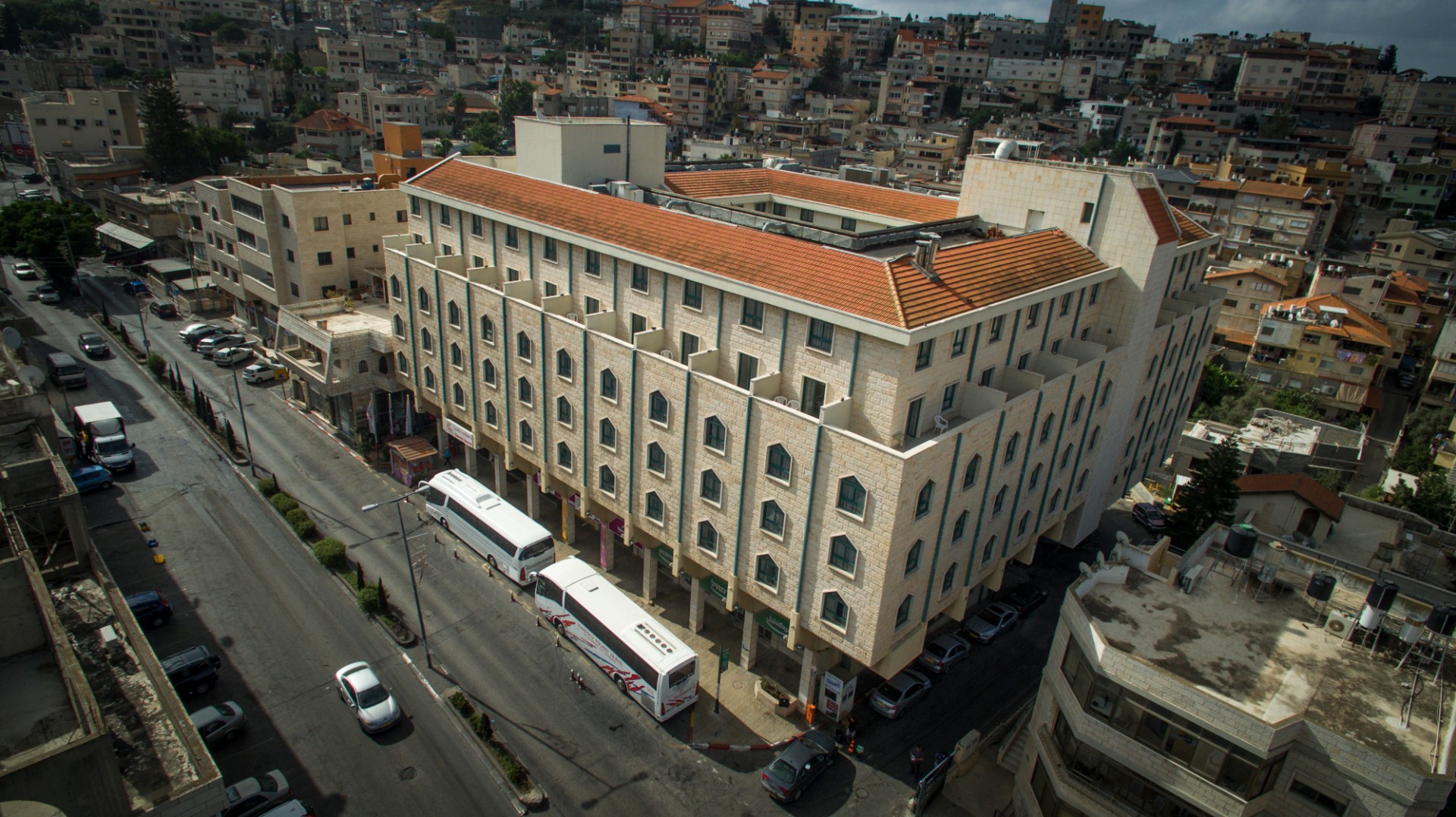
Marys Well Nazareth Hotel
Nazareth is perfect for your first night. Waking up in the city of the Annunciation allows you to start early and explore before the tour buses arrive. Staying at the Mary’s Well Nazareth puts you within walking distance of all major holy sites. For the following days, many pilgrims choose to continue to Safed (Tzfat), one of Judaism’s four holy cities and a short, scenic drive from the Sea of Galilee. Perched high above the lake, Safed is a place of mysticism, stone alleyways, and endless views, a serene base for exploring the region’s Christian sites by day and enjoying quiet reflection by night.
Day 1: The Annunciation in Nazareth
Every pilgrimage should start in Nazareth – a small agricultural village in the time of Jesus, today a modern town that hums with daily life but still feels sacred at its core. The centerpiece of your first day is the magnificent Church of the Annunciation, the largest church in the Middle East and built over what tradition holds to be the home of the Virgin Mary. Few realize that inside its walls are mosaics of Mary donated by nations worldwide, each depicting her in their own cultural style, from Japan to Mexico, celebrating the moment Angel Gabriel announced to Mary that she would give birth to Jesus.
A few steps away lies the Church of St. Joseph, commemorating the carpentry workshop of craftsman Joseph, the earthly father of Jesus. Built by the Franciscans in 1914 over earlier Byzantine and Crusader ruins, it features an upper church with stained glass and a lower level with ancient cisterns and workshops. Pilgrims visit to honor Joseph’s faith and the humble family life of Jesus’ early years. Close by is Mary’s Well, where locals say she fetched water each day,
Tradition holds it marks the spot where Mary first met the Angel Gabriel. For a glimpse into 1st-century life, don’t miss Nazareth Village, a living museum that recreates a Galilean farm and village from Jesus’s time – olive presses, shepherds, and all. Open Monday to Friday, it is wise to book ahead. End your day with dinner near the Old Market or enjoy a quiet view of the Basilica from the terrace of the extremely convenient Mary’s Well Nazareth Hotel, a stone’s throw from all the main Christian sites of Nazareth. Take your time here. Wander slowly. The charm of Nazareth lies in its contrasts: the call to prayer echoing near the peal of church bells, spice-laden markets beside centuries-old stone churches. Everything feels intertwined, with this town, a biblical time machine.
Day 2: Miracles on the Sea of Galilee
The next morning, venture north, a 40-minute drive through the gentle hills brings you to the shores of the Sea of Galilee, or the Kinneret, as Israelis call it. This shimmering freshwater lake was the stage for many of Jesus’s miracles. Start at Capernaum, known as the ‘Town of Jesus.’ Here you can walk among basalt ruins of a synagogue where he is said to have taught, and see the remains of St. Peter’s house. The modern church above it offers a glass floor that reveals the ancient dwelling below.
From Capernaum, it’s a short drive to Tabgha, the site of the Church of the Multiplication, the place where compassion and abundance came together in one deeply familiar moment to us all. It is here where Jesus is believed to have fed 5,000 people with just five loaves and two fish. The ancient mosaic of this story is still perfectly preserved and remains one of the most beloved symbols of Christian faith, inviting visitors not just to admire its beauty, but to pause and reflect: what does it mean, in our own lives, to share what little we have and still find that it’s enough?
Climb gently to the nearby Mount of Beatitudes, where the Sermon on the Mount is believed to have been delivered. Standing on that hillside, overlooking the lake, you can imagine hearing his moral vision and teachings. Enjoy lunch in one of the lakeside restaurants, where simple local fare, grilled tilapia, known as “St. Peter’s fish,” connects the spiritual to the sensory. If time allows, continue around the lake’s northwestern edge to visit Magdala, the hometown of Mary Magdalene, where a modern church celebrates women’s role in the Gospel story.
Spend the evening in Safed. Its narrow alleys, lined with galleries and candlelit courtyards, offer a meditative atmosphere after a day filled with wonder. Set amid mountain air and sweeping views, the Ruth Safed is the ideal retreat for contemplation and comfort, a stunning and easy drive from everywhere you need to be.
Day 3: The Jordan River and Spiritual Peaks
Your final day weaves together baptism, reflection, and one last look across the hills where heaven once seemed very near. Begin early and drive south to the Yardenit Baptismal Site, where the Jordan River emerges clear and calm from the Sea of Galilee. For many Christians, being immersed here, or witnessing others taking this step, is the emotional high point of their journey. Pilgrims come from every denomination, dressed in white robes, singing softly as they descend into the waters that recall Jesus’s own baptism by John. Even if you do not take part, the peaceful setting and the sight of renewed faith are deeply moving.
From Yardenit, you can tailor the rest of your day according to your pace. Those with energy to spare might head west toward Mount Tabor, traditionally recognized as the site of the Transfiguration – a pivotal event in the New Testament where Jesus’ divine nature is revealed to three of his closest disciples — Peter, James, and John. The winding ascent rewards you with sweeping views of the Jezreel Valley and a magnificent Franciscan church crowned with golden light. Alternatively, visit Cana, just outside Nazareth, where Jesus performed his first miracle by turning water into wine, a stop that many couples find especially meaningful.
End your pilgrimage where it began, with gratitude. Whether watching the sun melt into the lake or sipping local Galilee wine in Safed, take a moment to let the journey settle: Nazareth’s streets, Capernaum’s stones, the Jordan’s cool current are all now part of your own story.
Frequently Asked Questions about the Galilee Pilgrimage
Q: What is the best time of year to visit the Galilee?
Spring (March–May) and Fall (September–November) are ideal. The weather is mild, hills are green, and holy sites are less crowded than during summer holidays.
Q: Can I do Nazareth and the Sea of Galilee in one day?
Technically yes, but it’s very rushed. This 3-day Nazareth and Sea of Galilee tour gives each site the time and reflection it deserves.
Q: What should I wear when visiting Christian holy sites in the Galilee?
Dress modestly — shoulders and knees covered — and bring a light scarf or wrap for churches. Comfortable shoes are essential for walking uneven stone paths.
Q: Is it easy to drive and park at the sites?
Yes. Roads are modern and well-signed in English and Hebrew. Major sites such as Capernaum, Mount of Beatitudes, and Yardenit have ample parking, though arriving early is wise.
Q: Where should I stay when touring the Galilee?
It depends on your style of pilgrimage. The Mary’s Well Nazareth places you steps from the Annunciation; Ruth Safed offers a peaceful mountain retreat near the lake; and Dan Hotels Haifa provides a luxurious coastal base within easy reach of both Nazareth and the Galilee.
Q: Are these sites open to visitors of all faiths?
Absolutely. The Galilee welcomes everyone — whether you come to deepen your faith, explore history, or simply be moved by landscapes that have shaped belief itself.
A pilgrimage in the Galilee is more than a checklist of holy places — it’s an encounter between earth and spirit. The same hills and waters that once inspired fishermen and prophets now call to modern travelers seeking meaning amid beauty.